Thinking of moving to Barbados with kids? Explore the island’s schools, family life and safety, and what to know before buying a home here.
Where do you want your children to grow up? Not only which school, but which weekends, which friends and which people around them. For many families, Barbados answers that question better than they expect. The 2025 Global Peace Index described a record decline in global peacefulness, so it is natural to ask where life feels steadier. This guide to living in Barbados with kids covers the schools in Barbados, how children spend their time, how safety is rated, and why buyers are taking Barbados real estate seriously.
Schools in Barbados:
from free public education to the IB
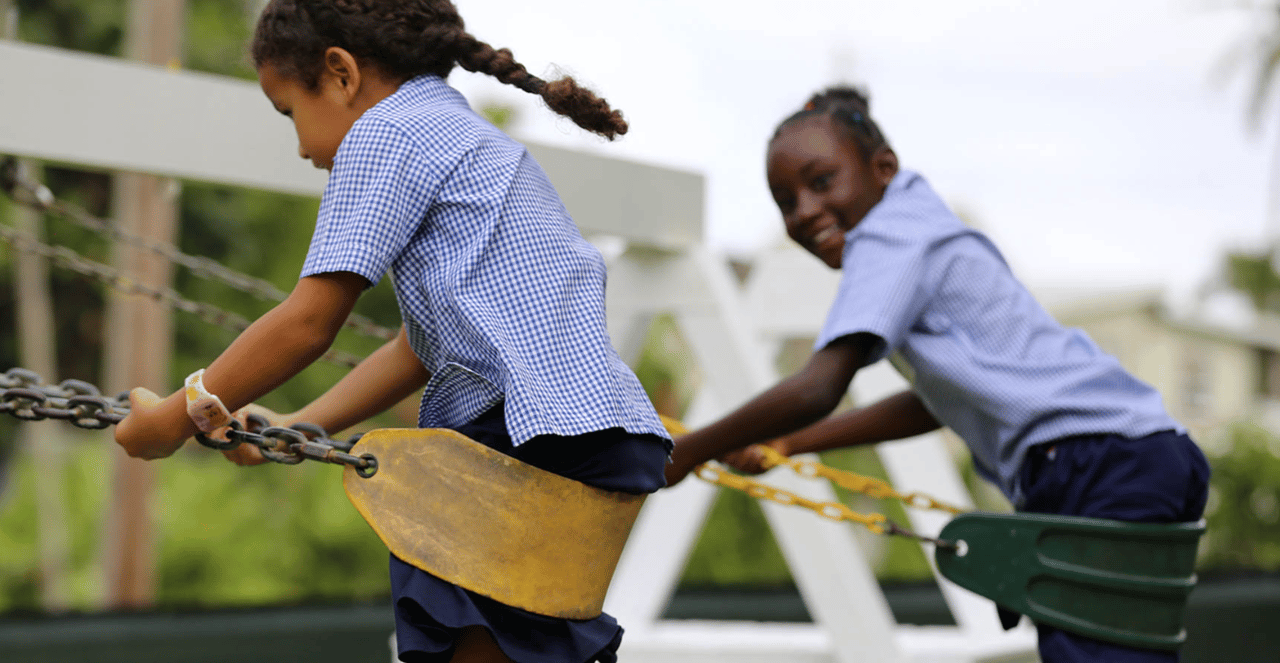
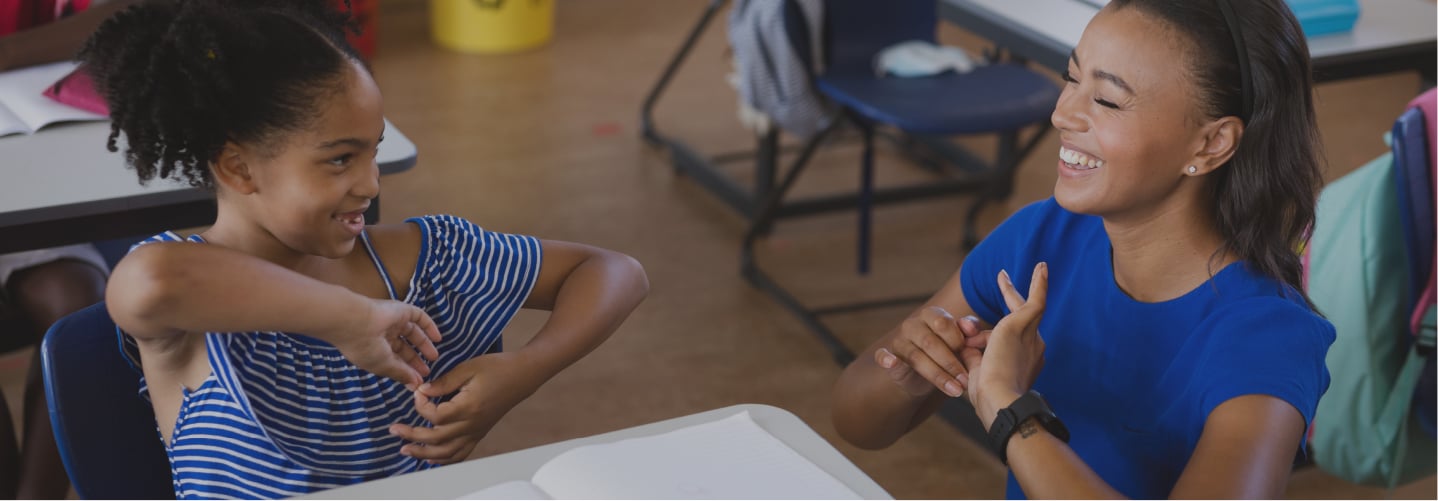
Barbados has a long educational tradition. The first school on the island was established in 1686, and the system is modelled on the British one, with three school terms a year. Published literacy estimates sit between roughly 97% and above 99%, depending on the source and year, among the highest in the world.
For Barbadian nationals, the state finances tuition, school meals for primary students who need them, textbooks and school bus fares. Arrangements for non-nationals differ, so families moving from abroad should confirm their children's options with the Ministry of Education.
Two features stand out for families researching secondary schools:
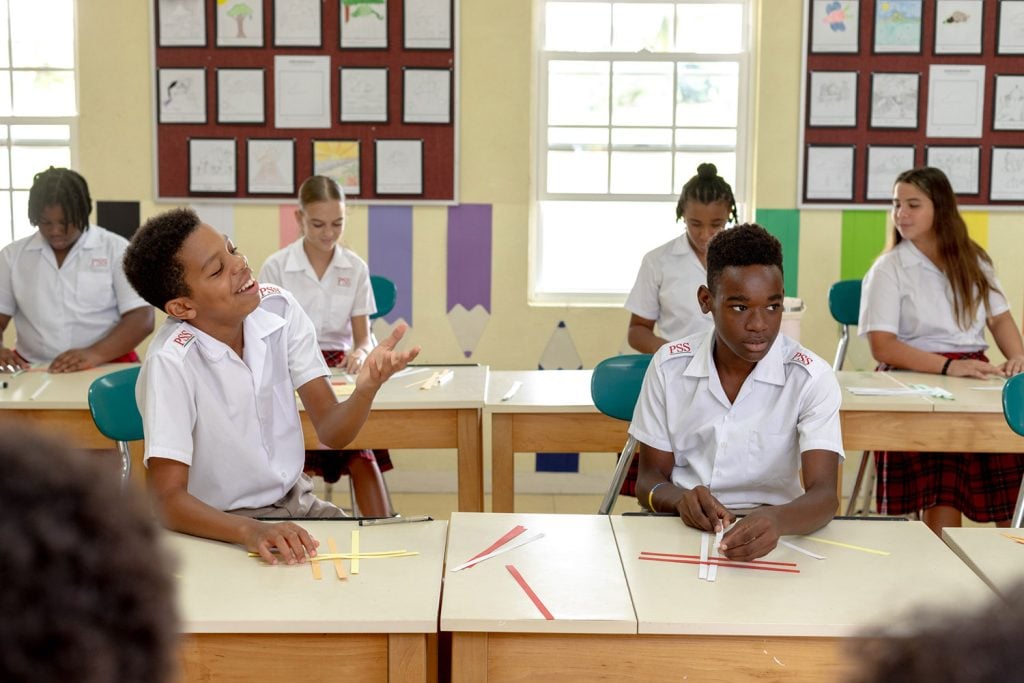
- Historic public schools. Harrison College in Bridgetown was established in 1733. Queen's College in St James is another well-known public secondary school. Places are allocated through the Barbados Secondary Schools Entrance Examination (BSSEE), known as the 11-Plus.
A changing entrance system. The Ministry has confirmed that the BSSEE will be replaced by a new hybrid model from 2028, with 2027 the last sitting in its current form. About 2,767 students registered to sit it in 2026. Families with children approaching Class 4 should check current rules.
International schools in Barbados
Families who want an international curriculum have private options. The Codrington School, The International School of Barbados, has been an IB World School since July 2008 and offers all three IB programmes (PYP, MYP and Diploma) for ages 3 to 18. Lockerbie College offers a Cambridge International curriculum. Other private schools operate across the island, so visit in person and compare curriculum, class sizes and fees.
For university-level study, the island is home to the University of the West Indies at Cave Hill and the Barbados Community College.
A few schools to know
Invest Barbados cites 21 government-run and 10 private secondary schools, and there are roughly 68 to 69 public primary schools across the eleven parishes. Below are a few examples by parish to start your research. The Ministry of Education's school lists have the full directory and contact details.
- Alexandra School (Queen's Street, St Peter)
- Coleridge & Parry School (Ashton Hall, St Peter)
- Combermere School (Waterford, St Michael)
- Daryll Jordan Secondary School (Nesfield, St Lucy)
- Ellerslie Secondary School (Black Rock, St Michael)
- Harrison College (Bridgetown, St Michael)
- St Michael's Secondary School (Martindales Road St. Michael)
- Queen's College (Husbands, St James)
Private schools
- The Codrington School, The International School of Barbados (St John, ages 3 to 18, IB)
- Lockerbie College (St Michael, primary and secondary, Cambridge International)
- St Gabriel's School (Collymore Rock, St Michael, nursery to Grade 6)
- Ursuline Convent (St Michael, nursery to Grade 11)
- St Winifred's School (St Michael)
- Providence Elementary School (Francia Plantation, St George)
- Daystars Academy (Maxwell Main Road, Christ Church)
- St Luke's Academy (White Hall, St Peter)
- Marinela Holistic Education (Piedmont, St James, 18 months to 12 years, Waldorf-inspired)
This is not a complete or ranked list, and Christie's does not endorse any school.
Family life in Barbados: where friends become family
Barbados covers about 166 square miles and has a population of roughly 275,000 to 280,000 people. English is the language of instruction, so children learn in the same language their families speak. On an island this size, the next beach, the next friend and the next relative are never far away.
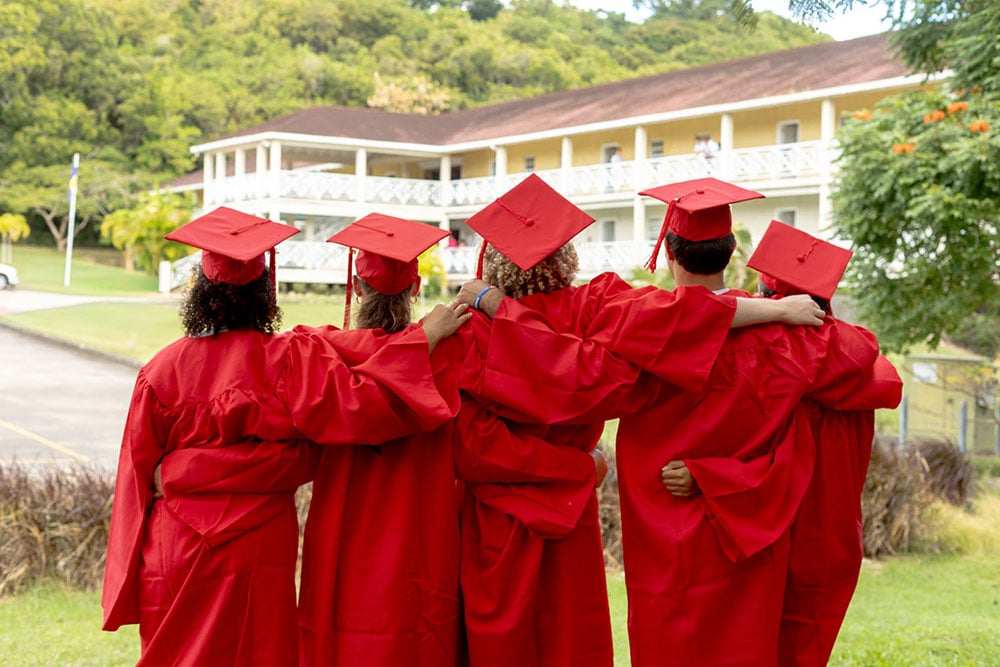
As a parent raising children here, I can tell you that weekends belong to the outdoors. By Saturday morning there is usually a football under someone's arm, a surfboard in the back of the car and a group of friends waiting at the door. My kids play football, surf and explore the island's beaches with friends and family close by. They come home salty, sunburnt on the nose and happily worn out, and our shoes never stay clean for long.
There is always somewhere new to discover. Some days are for surfing, some for a long game on the sand, some for nothing more than swimming until the sun goes down and that green flash appears. Parents tend to end up at the beach too, sharing snacks and swapping stories while the children run between the water and the shade. It is a simple way to grow up, and I would not trade it.
What stays with you is the community. Friends become part of your family here. Their children end up at your table, yours end up at theirs, and the grown-ups look out for one another's kids without being asked. The children's friendships grow the same way, through shared games and shared weekends. Ask me the best part of living in Barbados and my answer is simple: the people.
Is Barbados safe for families?
The U.S. State Department rates Barbados Level 1: Exercise Normal Precautions, the lowest of its four advisory levels, in an advisory issued on April 10, 2026. It describes Barbados as generally a safe destination and notes that petty crime is common in popular tourist areas.
On stability, the Fund for Peace's 2024 Fragile States Index placed Barbados 140th of 179 countries and reported it as the most stable country in the Caribbean.
No island is free of crime, and the same sensible habits apply here as anywhere: secure your home, do not leave valuables in view, and ask your agent about the neighbourhood you are considering.
Why buyers are looking at Barbados real estate
We would not call any market risk-free, but several features of buying in Barbados are worth knowing:
- Open to foreign buyers. Non-nationals can buy property in Barbados, with no restrictions on purchase.
- No capital gains or inheritance tax. Barbados does not charge either. Your home country may still tax you, so speak to a cross-border tax adviser.
- Transfer taxes fall on the seller. Stamp duty (1%) and property transfer tax (2.5%) are paid by the vendor. Buyers typically budget for legal fees of about 1% to 2.5% plus VAT and a proportionate share of land tax.
- A pegged currency. The Barbados dollar has been pegged to the US dollar since 1975.
- Foreign funds must be registered. Money brought into Barbados by non-nationals should be registered with the Central Bank of Barbados, which your attorney will guide you through.
For families who want to try island life first, the 12-month Barbados Welcome Stamp lets remote workers live and work from Barbados for an overseas employer, and school-aged children approved under the programme do not need a separate student visa.
Be realistic about risk too. The World Bank describes the economy as tourism-dependent and exposed to external and climate shocks. Hurricanes are infrequent but possible, so insurance and construction quality belong in any buying conversation.
Frequently asked questions
What is it like for children growing up in Barbados?
In my experience, weekends are spent outdoors: playing football, surfing and exploring beaches with friends and family. Friends become part of your family, and the best part of Barbados is its people.
Can foreigners buy property in Barbados?
Yes. Non-nationals can buy property in Barbados without purchase restrictions. Foreign funds should be registered with the Central Bank, and your attorney will handle the process.
Is Barbados safe for families?
The U.S. State Department rates Barbados Level 1, its lowest advisory level, and describes it as generally safe, while noting that petty crime is common in tourist areas. Sensible precautions apply, as they would anywhere.
What are the best schools in Barbados?
That depends on your child. Well-known public secondary schools include Harrison College and Queen's College, with entry through the BSSEE (11-Plus) until the new system begins in 2028. For an international curriculum, The Codrington School offers all three IB programmes for ages 3 to 18.
Can my children attend school if I move on a Welcome Stamp?
School-aged children approved under the programme do not need a separate student visa. Confirm school places, fees and any public-school arrangements for non-nationals directly with the Ministry of Education or the school.
Do I pay capital gains tax when I sell in Barbados?
Barbados does not charge capital gains tax, but your home country may. Ask a cross-border tax adviser before you buy.
Talk to a local expert
Choosing a home is also choosing a school run, a neighbourhood and a way of life. Our team at Christie's International Real Estate Barbados can help you compare areas and find a property that suits your family.
Contact Rayana Bayley: +1 (246) 827-9801, [email protected] or on Instagram @thebarbadosaddress.
This article is general information, not legal, tax or immigration advice. Rates, rules and school policies change, so confirm current details with the relevant authority or a qualified professional before making decisions.
Sources
- US State Department: Barbados travel advisory
- Invest Barbados: Education
- Barbados Welcome Stamp
- Our Today: Fragile States Index 2024
- Institute for Economics & Peace: Global Peace Index 2025 briefing
- Total Barbados: education and training
- Barbados Today: 2,767 to sit 11-Plus; CBC Barbados: exam to end after 2027
- IB Organization: The Codrington School
- Visit Barbados: Welcome Stamp
- World Bank: Barbados macro poverty outlook